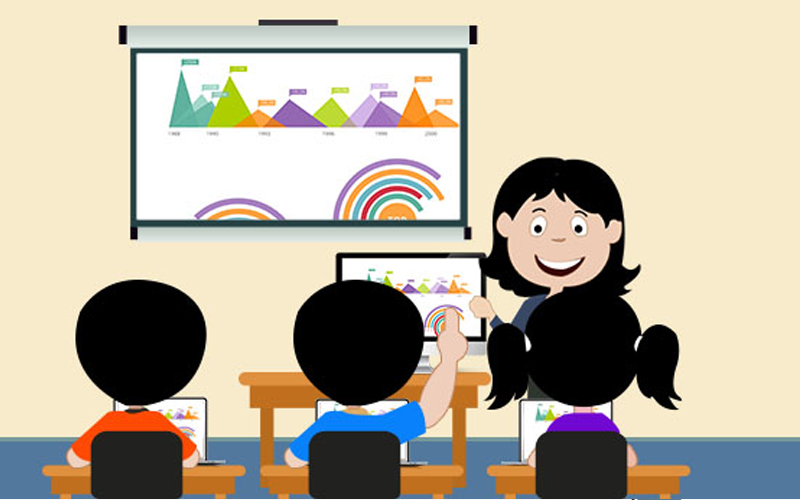
Smart classrooms are technologically enhanced learning environments designed to improve the teaching and learning experience. They integrate digital tools and resources like interactive whiteboards, projectors, and multimedia content to make lessons more engaging and effective. These classrooms move beyond traditional teaching methods, providing students with interactive, dynamic, and personalized learning experiences.
Key Features and Benefits:
Interactive Learning: Smart classrooms use tools like interactive whiteboards, touchscreens, and digital content to allow for active participation and collaboration between students and teachers.
Multimedia Integration: Teachers can use animations, videos, and other multimedia resources to make lessons more engaging and easier to understand.
Personalized Learning: Smart classrooms can cater to different learning styles and needs through personalized learning plans and adaptive content.
Improved Understanding: Visualizations, simulations, and real-world examples help students grasp complex concepts more easily.
Accessibility: Smart classrooms can be designed to be inclusive, with features like captioned videos, screen readers, and adjustable font sizes to accommodate diverse learners.
Enhanced Engagement: The interactive and dynamic nature of smart classrooms can increase student engagement and motivation.
Better Communication: Smart classrooms facilitate communication between teachers and students, promoting a more interactive and collaborative learning environment.